Solutions · Legacy modernization

Legacy system modernization services that don't stop your operation

Access, Excel, VB6, FoxPro or an old PHP app still holding the operation together? Our legacy system modernization services move it to a modern stack module by module: the old system keeps running until the new one proves it does the same job, with the data migrated and verified.

How the migration works
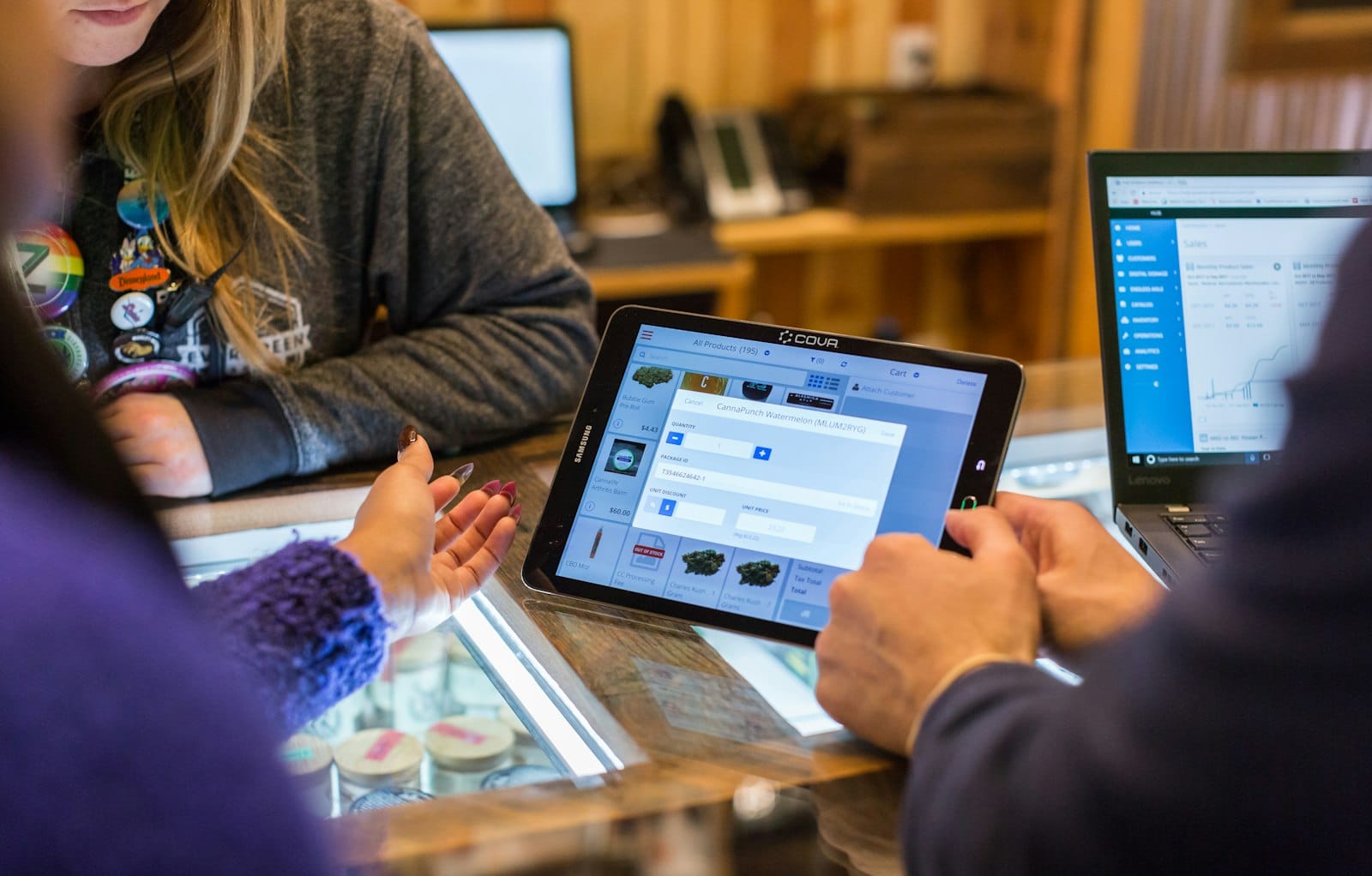
A store counter: a person adds a product on a tablet while the laptop next to it shows the sales dashboard

The old system nobody dares to touch

It works, and that is exactly the problem. The system that runs your billing, your inventory or your production was written years ago, and today every change is a negotiation with fear. Legacy application modernization is not a rewrite from scratch over a long weekend: it is moving the operation module by module, with the data migrated and reconciled, until the old system has nothing left to do.

  • Only one person understood the system, and that person is no longer here.
  • A small change takes weeks, or simply can't be done anymore.
  • It doesn't run on modern hardware or operating systems, and the data is locked inside it.
  • Rewriting from scratch is terrifying because the operation can't stop.

How we do it

Module by module, with the business still running

Incremental migration, not a big bang

We move one module at a time to the new system while the old one keeps operating. No shutdown weekend, no all-or-nothing switch.

  • Audit first: what to keep, rewrite or drop
  • One module in production at a time
  • A way back available at every step

Data migration you can verify

Your history moves with the system: extracted from the old database, cleaned, loaded into the new schema and reconciled against the source.

  • Field-by-field mapping, documented
  • Record counts and totals reconciled with the source
  • Dry runs repeated until the numbers match

Parity proven before switching

A module becomes the official one only after it produces the same results as the old system with your real data, not with a demo dataset.

  • Both systems running side by side
  • Same inputs, outputs compared against each other
  • We switch when the numbers agree, not before

Coexistence while the migration lasts

Old and new talk to each other during the transition, so your team is never left with half the operation in one place and half in the other.

  • Sync between modernized and legacy modules
  • One source of truth per data set at any moment
  • Training on each module before it goes live

Typical situations

What modernization looks like in production

B2B services

Pain

Client onboarding held together by spreadsheets nobody could audit, with the same data typed into three different files.

Solución

Onboarding rebuilt as the first module, with its history migrated and verified, while the rest of the old system kept running untouched.

3× faster onboarding

Clinics and healthcare

Pain

A manual appointment book and reminders made by phone: forgotten appointments and empty slots nobody could refill in time.

Solución

Scheduling replaced by a modern module with automated reminders and waitlist, with the full patient history migrated and reconciled.

−40% no-shows

Retail and ecommerce

Pain

Store and ERP showing different stock because the sync ran overnight, when it ran at all.

Solución

The old sync layer modernized into a real-time connection between store and ERP, with automated cart recovery on top.

+22% carts recovered

FAQ

What clients ask before modernizing

Should we rewrite the system or migrate it?

It depends on the state of what you have, and the audit is what settles it. Sometimes the data model is sound and the problem is only the interface and the platform it runs on; there, migrating and modernizing around the existing core is faster and less disruptive. Other times the logic is so tangled that every fix breaks something else, and rewriting that module pays for itself quickly. We decide module by module: some get migrated, some get rewritten, and some turn out to be unused and simply get dropped. What we do rewrite lands on a standard stack, TypeScript end to end with Next.js, NestJS and PostgreSQL, documented so any developer can pick it up.

How long does a legacy modernization take?

It depends on how many modules the system has and how tangled they are, so we don't throw a number before looking at it. What we can commit to is the shape of the project: the free 30-minute audit maps the system, and within 48 hours you get a written proposal with scope and cost per phase. From there we work module by module, and each phase closes with something in production your team can actually use, so value starts arriving early instead of at the end of a long project. You decide whether to continue between one phase and the next.

What happens to my historical data?

It moves with you, verified. We map field by field from the old database, migrate it into the new schema and reconcile it against the source: record counts, totals per period, closed balances. Nothing goes live until those numbers match the old system. Data migration is part of the modernization project, not a separate phase you discover later, and the original database is kept read-only as a fallback for as long as you want it.

Can we keep operating while the migration happens?

Yes, and that is the whole reason for doing it incrementally. Old and new run side by side: the modernized module goes into production while the rest of the operation stays on the old system, and the two stay in sync so nobody has to type anything twice. Your team migrates one process at a time, trained on the module they are about to use, instead of arriving one Monday to a system they have never seen.

What happens to the old system at the end?

It gets retired when it has nothing left to do, not before. Once every module has a modern replacement running in production with parity confirmed, we shut it down and keep a read-only archive of its database along with documentation of what each part did. If your industry requires the original to stay available for audits, we leave it accessible without letting anyone write to it. The new system's code and repository are yours by contract, so nothing about this migration ties you to us.

Ready to boost your business performance?

Let's talk about building it together. No commitment.

No commitmentResponse within 24hProposal within 48h