Solutions · Invoice automation

Automated invoice processing for the ERP you already run

We connect automated invoice processing to the accounting or ERP system your team already uses: invoices captured from email, PDF, XML and paper scans, data extracted and validated, entries posted and reconciled. We are the integration layer, not another invoice automation software vendor you have to migrate to.

How it works
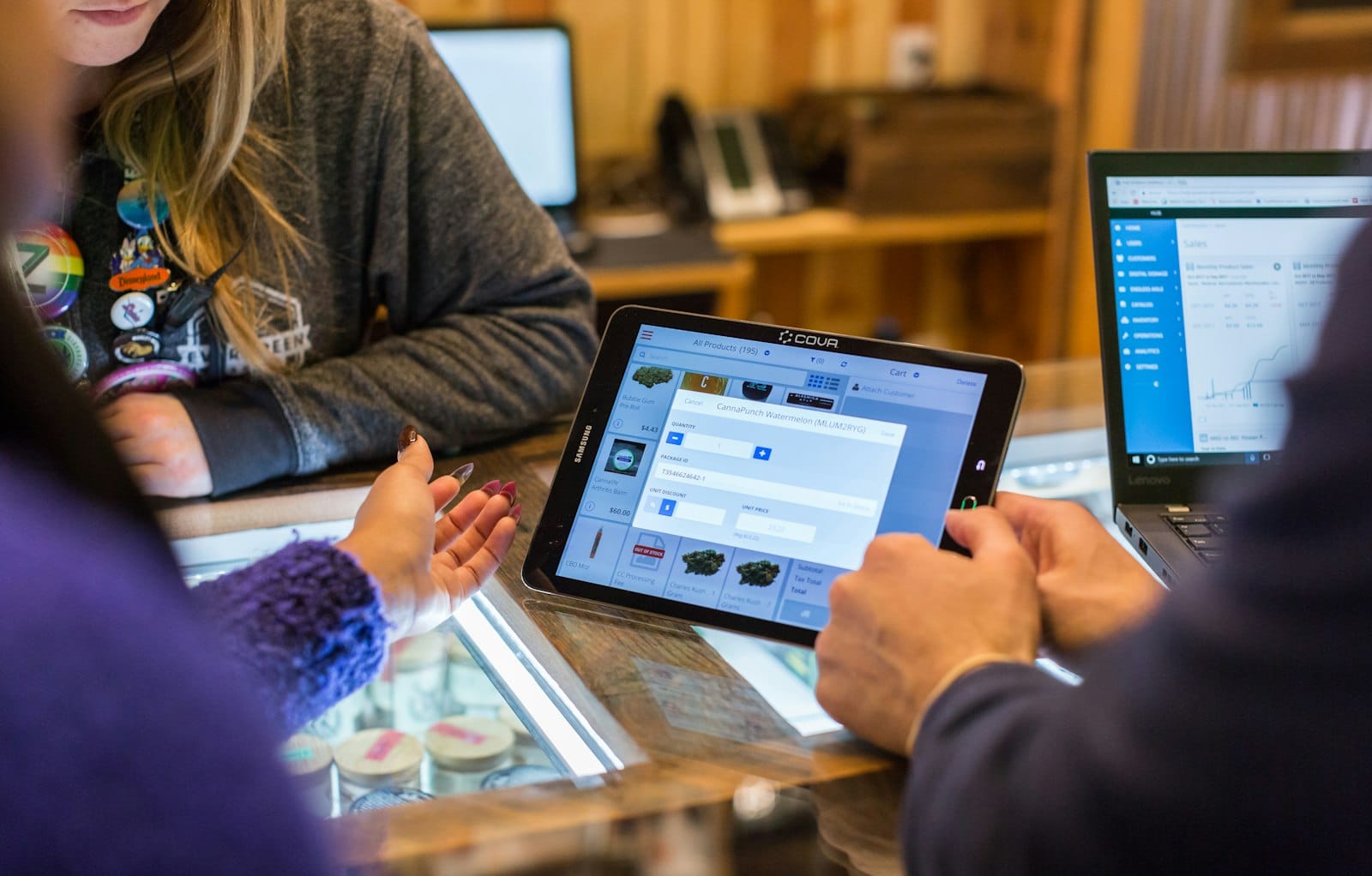
At a shop counter, a staff member adds a product on a tablet point of sale while the laptop beside them shows a sales dashboard

Is your team typing the same invoice twice?

Invoices arrive by email, as a PDF, as an XML file or as a photo of a printed page. Someone opens them one by one, types the amounts into a spreadsheet, then types them again into the ERP. Nothing is wrong with the ERP — the problem is everything that happens before the data reaches it. That stretch, from the inbox to the accounting entry, is what we automate, without replacing the system your finance team already trusts.

  • The same invoice keyed twice: from the inbox into a spreadsheet, from the spreadsheet into the ERP.
  • Typos in amounts, tax IDs or PO numbers that turn month-end reconciliation into a manual hunt.
  • Approvals living in WhatsApp threads and forwarded emails, with no record of who approved what.
  • Suppliers calling about a payment nobody can trace, because the invoice never made it into any system.

AP automation

Accounts payable automation services built around the systems you already have

Invoice intake from every channel

One entry point for invoices arriving by email, supplier portal, shared folder or scanner.

  • Dedicated inbox that files attachments on its own
  • PDF, XML, images and scanned paper
  • Duplicates flagged before they reach accounting

OCR invoice processing and data extraction

Invoice data extraction that pulls supplier, tax ID, line items, taxes and totals off the document, whatever layout it comes in.

  • OCR tuned to the formats of your recurring suppliers
  • Line-item level extraction, not just the total
  • A confidence score on every field we read

Posting into your ERP or accounting system

The extracted data lands where it belongs: your ERP, your accounting software, or the spreadsheet you still work in.

  • Connectors over API, database or file exchange
  • Your chart of accounts and cost centers respected
  • No change to how your team closes the month

Validation, approvals and reconciliation

Purchase order matching, tolerance rules and an approval trail that lives in one place instead of a chat thread.

  • Three-way match: invoice, purchase order and goods received
  • Approvals routed by amount, cost center or supplier
  • Automatic reconciliation against payments and statements

Typical situations

What this looks like in production

Retail and distribution (Chile)

Pain

Sales invoiced in one system and reported to the tax authority in another, re-keyed by hand every single day.

Solución

Electronic invoicing wired straight into the SII: documents issued from the system the business already operates in, received and reconciled automatically.

Electronic invoicing connected to the SII, in production

B2B services

Pain

Supplier and client onboarding scattered across email, spreadsheets and manual document review.

Solución

Document portal with upload, extraction and automatic validation before anything reaches accounting.

3× faster onboarding

Ecommerce

Pain

Orders, stock and invoices living in three separate places, so what the store promised and what the ERP billed rarely matched.

Solución

Store synced with the ERP: stock, prices and invoicing moving in one direction, automatically.

+22% carts recovered

FAQ

What finance teams ask before starting

Do you replace our ERP or accounting system?

No, and that is the whole point: we integrate with what you already run. Your team keeps closing the month in the same system, with the same chart of accounts and the same reports. What changes is that the data arrives there already captured, validated and matched, instead of being typed in by hand. If your ERP has an API we use it; if it only accepts file imports or a database connection, we work with that. We have no license of our own to sell you, so we have no reason to push you off a system that already works.

What invoice formats can you process?

PDFs, both digital and scanned; XML files from electronic invoicing; invoices arriving as an email attachment or in the body of the email itself; and paper originals once they go through a scanner. With structured formats like XML the extraction is exact. With PDFs and scans we combine OCR with validation rules, and we tune it against your recurring suppliers, which is usually where most of the volume sits.

Do you handle electronic invoicing and integration with the tax authority?

Yes. In Chile we integrate directly with the SII: issuing DTEs — boletas and facturas — from the system the business already operates in, receiving supplier documents with their acknowledgements, and reconciling both sides automatically. That includes the certification process the SII requires before you can issue in production. In other countries we connect to the local electronic invoicing provider or authority the same way: as an integration layer over your existing systems, not as a replacement for them.

How accurate is the OCR, and who checks it?

It depends on the document: a structured XML is read exactly, a clean digital PDF is read very reliably, and a photo of a crumpled printout is the hard case. So we never design a flow that assumes the machine is always right. Every extracted field carries a confidence score, and anything below the threshold — or any invoice that fails a validation rule, such as a total that does not match the purchase order — is routed to a person for review before it is posted. Humans stay in the loop exactly where judgement is needed; what they stop doing is retyping everything that was never ambiguous.

How much does invoice processing automation cost and how do you quote it?

We quote by scope, not by guessing at invoice volumes. The free 30-minute audit is where we map how invoices reach you today, how many suppliers are involved and which systems have to be connected; within 48 hours you get a written proposal with scope and a fixed cost per phase, so you know what each delivery costs before it starts. What moves the number: how many formats and channels we have to cover, how open your ERP is to integration, and whether tax-authority integration is in scope. Larger rollouts are split into phases you can stop at the end of any one of them.

Ready to boost your business performance?

Let's talk about building it together. No commitment.

No commitmentResponse within 24hProposal within 48h